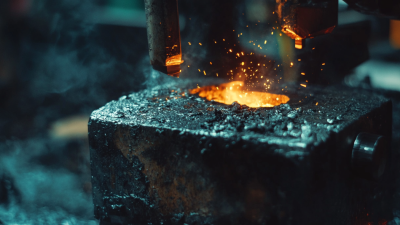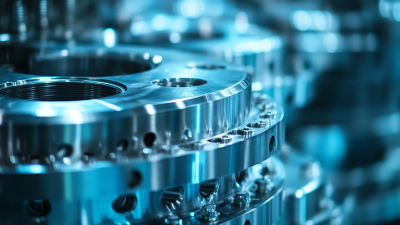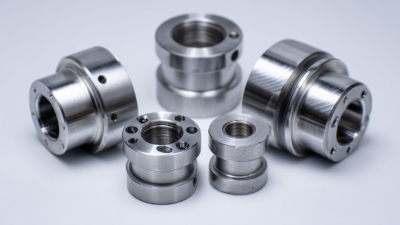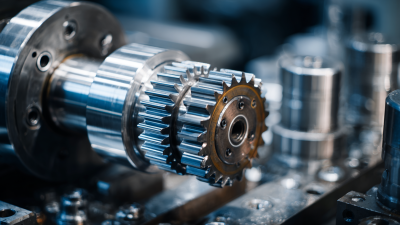
The manufacturing world has really changed lately, and because of that, there's been a spike in demand for **Custom Cold Forged Products**. These products are made through a process that not only boosts the material's properties but also helps keep costs in check. A lot of buyers are interested in learning about the perks of custom cold Forging because it makes it easier to hit specific design goals with great precision.
Going with **Custom Cold Forged Products** gives companies the flexibility to get exactly what they need. It’s all about tailoring solutions to fit their unique challenges, which can really boost efficiency. For example, forged materials tend to be way more durable compared to cast ones — a big plus. That said, finding dependable suppliers who truly understand the Cold Forging Process can be tricky.
Take companies like Precision Forgings Inc., for example — they’re pretty much experts in this space. But honestly, finding the right partner isn’t exactly a walk in the park. Buyers really need to do their homework, research thoroughly, and strike the right balance between quality and cost. As things keep evolving in the industry, exploring innovative options like **Custom-Shaped Copper Extrusions** can give you some serious advantages that make all the difference.
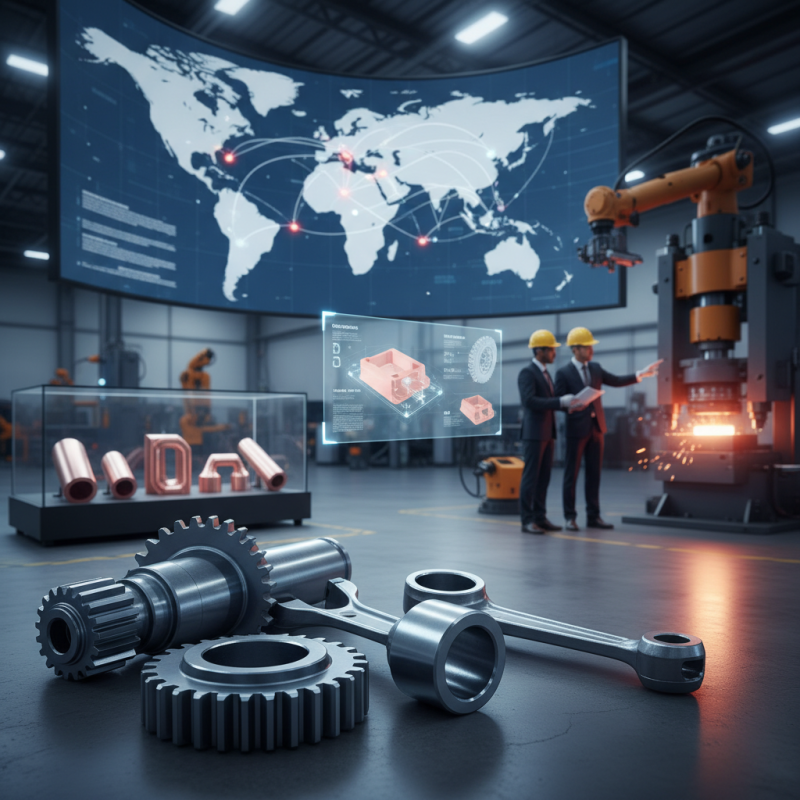
Custom cold forging has gained traction in global supply chains, particularly for the production of critical components. This manufacturing process offers enhanced strength and reduced material waste, making it ideal for industries like automotive and aerospace. Cold forged products can have up to 30% better mechanical properties compared to those produced by traditional methods. This is particularly relevant for sectors such as Toys and Hobby Products, where durability is essential.
The demand for custom cold forged products continues to rise. Market research indicates that the global cold forging industry is projected to reach $6.5 billion by 2026, with a CAGR of 7.5%. This growth is driven by the need for high-performance parts in various applications. Manufacturers focusing on custom solutions can meet diverse requirements effectively. However, challenges remain regarding lead times and production scalability. As businesses adapt to these difficulties, the focus on quality assurance becomes crucial.
Incorporating advanced technologies, such as digital simulations and real-time monitoring, enhances the production process. Companies can identify potential issues early, ensuring optimal performance. Nevertheless, some clients face challenges in trust and transparency during their sourcing journeys. Building long-lasting relationships with reliable suppliers is key to overcoming these obstacles and ensuring consistent quality in products, including those used in Toys and Hobby Products.
Cold forged products offer significant advantages for international buyers, especially in terms of durability and precision. This manufacturing method uses less energy and results in less waste, making it an eco-friendly choice. Buyers can expect enhanced mechanical properties. Cold forging creates stronger end products with improved performance in demanding environments.
When investing in cold forged items, it's vital to know the specific applications. Many industries benefit from cold forged parts. If you focus on sectors like castings for Toys and Hobby Products, precision shapes and custom designs can greatly enhance product quality. This can give you a competitive edge in the market.
Tips include evaluating the supplier's experience and technical expertise. Do they offer customization options? Always consider the supply chain reliability. Look for suppliers with consistent delivery and quality assurance processes. Lastly, assess post-production support. Understanding these factors can optimize your purchasing decisions and lead to a better return on investment.
Custom cold forging is a widely recognized manufacturing process. This method enhances material integrity and mechanical properties. It involves shaping metal at low temperatures, reducing defects. Reports indicate that cold forging can increase material strength by up to 30%. This makes it an attractive option for global buyers seeking durable components.
Key manufacturing processes in custom cold forging can vary significantly. Techniques such as precision forging and impact forging offer distinct advantages. Precision forging allows for tighter tolerances and reduced waste, while impact forging can enhance production speed. However, selecting the appropriate technique requires careful analysis. The complexity of certain designs may lead to challenges in implementation. Manufacturers need to balance efficiency with quality control.
The potential of cold forging extends beyond heavy industries. Applications in die castings for Toys and Hobby Products showcase its versatility. However, the industry must address environmental concerns. The energy consumption of forging processes can be significant. Buyers should consider the ecological footprint of their manufacturing choices, ensuring they align with sustainability goals. Embracing innovation and sustainable practices can elevate the benefits of custom cold forged products.
Material selection plays a crucial role in the performance of custom cold forged products. The right materials can significantly enhance durability, strength, and resistance to wear. According to industry reports, cold-formed components made from high-strength alloy steels exhibit a tensile strength up to 1500 MPa. This surpasses many conventional machining methods. As a result, buyers looking for longevity in their components should prioritize materials like 4140 or 4340 steel.
In addition to strength, the material's ability to undergo cold forging impacts its final properties. Materials with higher ductility allow for complex shapes without failure. A study by the American Society of Mechanical Engineers highlights that ductile materials can increase yield strength by 15-20%. This improvement can be pivotal in applications requiring tight tolerances. Buyers should consider both mechanical properties and application environments when selecting materials.
Tips: Always consult material data sheets to understand the mechanical properties fully. Testing samples under actual conditions can reveal performance insights often not visible in specifications. Remember: while high performance is essential, cost-effectiveness and availability are also vital in material selection. Reflecting on these aspects can lead to informed purchasing decisions.
This bar chart illustrates the impact levels of various benefits that custom cold forged products provide for global buyers. Each benefit has been rated on a scale from 1 to 10, showcasing material durability as the most significant factor influencing product performance.
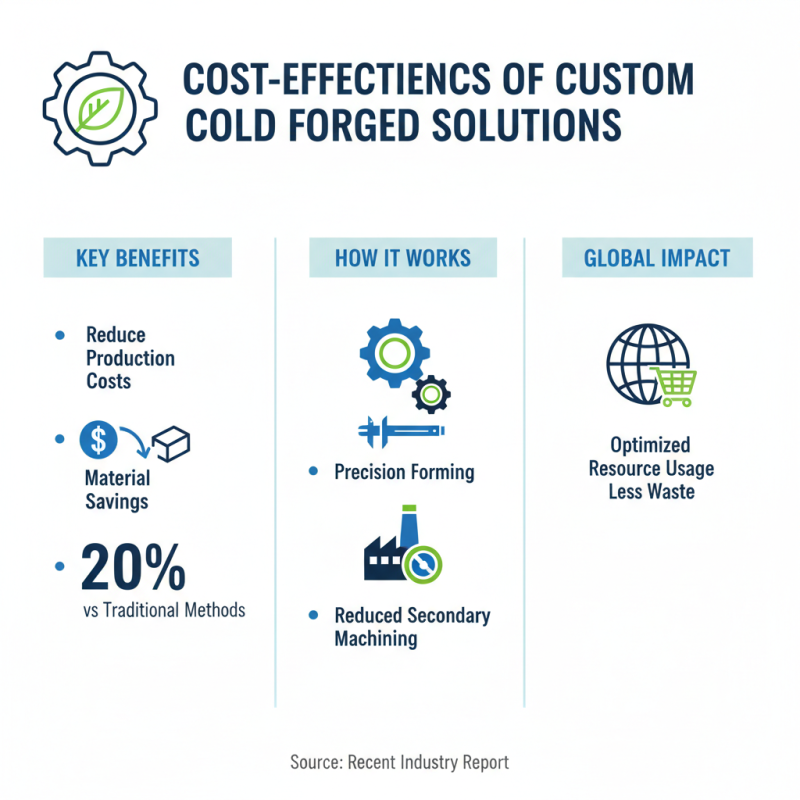
Custom cold forged products offer significant cost-effectiveness for global buyers. In a recent industry report, it was noted that custom cold forging can reduce production costs by up to 20% compared to traditional methods. This is largely due to the material savings and reduced need for secondary machining processes. The precision achieved through cold forging decreases waste and optimizes resource usage.
Moreover, cold forged components often have superior mechanical properties. They can withstand higher loads and exhibit better fatigue resistance. According to a study published in the Journal of Manufacturing Processes, the enhanced strength-to-weight ratio of cold forged elements translates into more efficient designs. However, some companies may overlook the long lead times associated with tooling setup, which can affect overall project timelines.
Investing in custom cold forged solutions involves balancing upfront tooling costs with long-term savings. While initial expenses may deter some buyers, the durability and reliability of these products often lead to lower maintenance costs over time. Buyers should closely evaluate their specific needs and the potential return on investment of cold forged solutions. Understanding these nuances is critical for making informed decisions in a competitive market.
Cold forging is a process that creates high-quality components through metal deformation at room temperature. It gives global buyers significant advantages, especially in terms of quality assurance and adherence to stringent standards. According to a recent report from the International Journal of Metalworking, cold-forged products exhibit superior mechanical properties compared to those manufactured using traditional processes. This advantage stems from improved grain structure, which enhances strength and durability.
Quality assurance in cold forging relies on various standards like ISO 9001. Compliance with these standards ensures that manufacturers consistently produce reliable products. Regular audits and inspections help maintain quality. A study by the American Society of Mechanical Engineers highlights that companies employing these standards reduce defect rates by up to 30%. The commitment to quality translates to lower costs for buyers, both in production and maintenance.
Tips: Always verify the certifications of your suppliers. Not all manufacturers adhere to the same quality standards. Consider visiting production facilities to gain insights into their processes. It contributes to smarter purchasing decisions and strengthens supplier relationships. Remember, quality is not just a feature; it’s a necessity in manufacturing.
| Dimension | Material Type | Typical Applications | Advantages | Quality Standards |
|---|---|---|---|---|
| M10 x 1.5 mm | Carbon Steel | Automotive Fasteners | High Strength, Cost-Effective | ISO 9001 |
| Ø20 mm x 50 mm | Stainless Steel | Industrial Machinery | Corrosion Resistance, Durability | AS9100 |
| M12 x 1.75 mm | Alloy Steel | Construction Equipment | Enhanced Performance, Weldability | ISO 14001 |
| Ø15 mm x 20 mm | Aluminum Alloy | Aerospace Components | Lightweight, High Strength-to-Weight Ratio | Nadcap |
| M8 x 1.25 mm | Brass | Electrical Connectors | Excellent Conductivity, Machinability | RoHS |
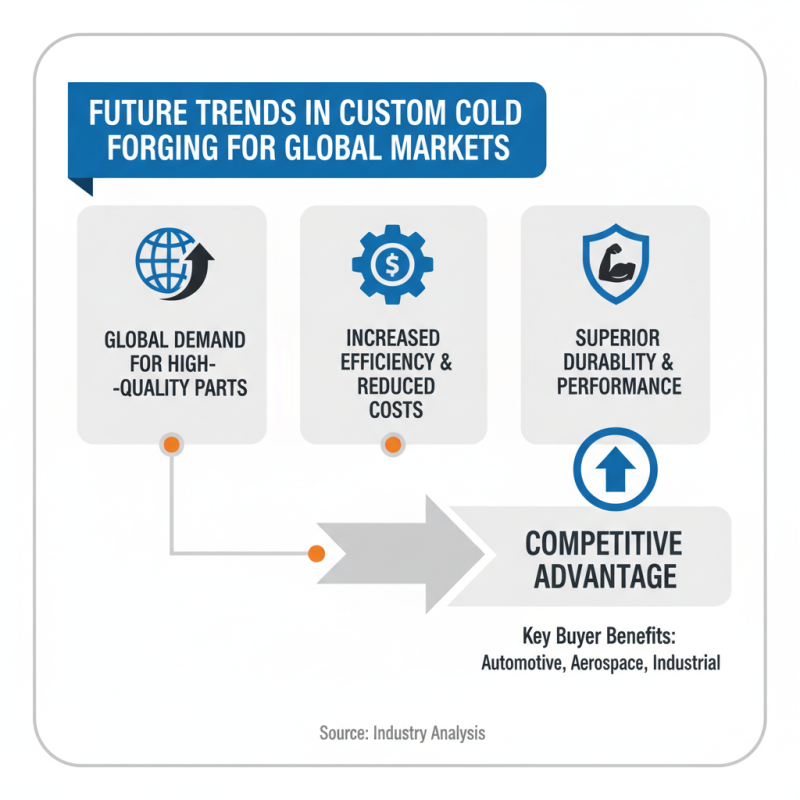
The future of custom cold forging is bright. As global demand for high-quality parts increases, cold forged products offer advantages across various industries. Companies are now prioritizing efficiency, which cold forging can provide through reduced production costs and improved material strength. Buyers seek to leverage these benefits for competitive advantages, focusing on durability and performance in their assemblies.
Emerging technologies are shaping the cold forging landscape. Innovations in automation are enhancing precision and reducing lead times. This is crucial for global markets that rely on rapid production cycles. Moreover, environmental considerations are rising. Many manufacturers are exploring sustainable practices in the cold forging process, aiming to minimize waste and energy use.
However, challenges persist. Quality assurance remains a concern, especially with custom specs. Buyers must work closely with suppliers to ensure standards are met. Additionally, some may find it difficult to adapt traditional designs for cold forged parts. Thus, ongoing collaboration is essential. Bridging the gap between innovation and tradition will define the success of custom cold forging in the years to come.
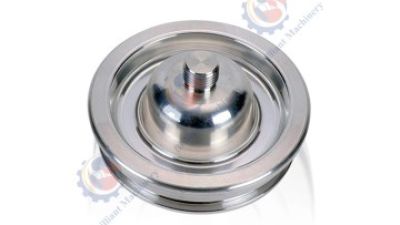
The automotive industry is witnessing a significant evolution in air suspension systems, with cold-forged and cold-extruded seal covers emerging as integral components. These two manufacturing processes offer distinct advantages that cater to the increasing demand for reliability and performance in vehicle suspension systems. Cold-forged air suspension seal covers are known for their superior strength and durability, whereas cold-extruded covers provide intricate shapes and consistent material properties that enhance overall functionality.
The effectiveness of these covers lies in their ability to form a protective and sealing system for the internal components of air suspension systems. Engineered with precision, these covers ensure that the suspension remains operationally efficient, thereby allowing for a smooth ride. The materials used in these components exhibit exceptional resistance to environmental factors, corrosion, and abrasion, which is critical for maintaining the integrity of air suspension systems. By preventing leaks and ensuring seamless operation, cold-forged and cold-extruded covers play a vital role in enhancing the longevity and performance of modern vehicles, aligning with the industry's trend towards improved engineering and innovation.
: Custom cold forging is a manufacturing process that produces strong components with less material waste.
Cold forging enhances strength and offers better mechanical properties compared to traditional methods.
Industries like automotive, aerospace, and toys benefit significantly from durable cold forged components.
The cold forging industry is expected to reach $6.5 billion by 2026, with a CAGR of 7.5%.
Advanced technologies like digital simulations and real-time monitoring improve efficiency and identify issues early.
Clients often struggle with trust in suppliers and transparency during their sourcing journeys.
Close collaboration with suppliers is essential to meet quality assurance standards and specifications.
Many manufacturers are exploring sustainable practices to reduce waste and energy use in cold forging.
Adapting traditional designs to fit cold forging specifications can be a challenge for some buyers.
Ongoing collaboration between buyers and suppliers is key to bridging innovation and tradition for success.
Custom Cold Forged Products offer significant advantages for global buyers by enhancing supply chain efficiency and product performance. Understanding the unique properties of custom cold forging can help international buyers leverage these benefits, as the process not only improves strength and durability but also allows for intricate designs that meet specific requirements.
Key manufacturing processes in custom cold forging, such as die design and material selection, play a crucial role in determining the end product's quality and cost-effectiveness. As global markets evolve, ongoing advancements in technology and quality assurance standards will likely shape the future of custom cold forged solutions, making them an attractive choice for businesses seeking reliable and effective manufacturing options.